
Driving is one of the most liberating skills, opening the door to independence and the freedom to explore at your own pace. Yet many learners are too confused with the expenses, lesson expectations, and exactly what it is like to be behind the wheel. It is where knowing what to expect helps in budgeting effectively, preparing well, and passing the test confidently. From understanding costs to choosing the right instructor, getting the right information is all you need when you start your driving lessons.
Whether you’re wondering about the average number of driving lessons to pass or seeking first driving lesson tips, this comprehensive guide covers everything you need to know about driving lessons. Let’s look at the key points that will prepare you to be successful on the road.
What Are Driving Lessons and How Do They Work?
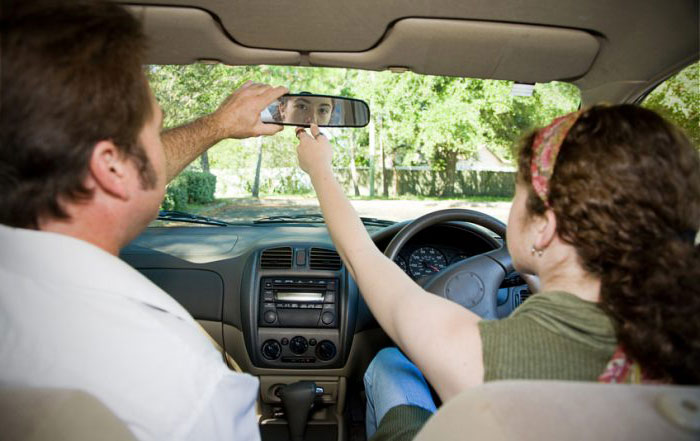
Driving lessons are structured training sessions where a qualified driving instructor teaches the practical skills you require to drive safely and pass your driving test. The lesson lasts between one and two hours, during which you’ll practice in a dual-controlled vehicle.
What to expect in your driving lessons:
- Basics of vehicle control: Steering, clutch use, and understanding the car’s inputs.
- Essential manoeuvers: Parallel parking, bay parking, and reversing are needed to pass the test.
- Road awareness: Reading traffic scenarios, predicting dangers, and training in defensive driving.
What to Do Before Your First Driving Lesson
Preparation makes an enormous difference to how smoothly your initial session goes. Get your provisional license well in advance of your first lesson, as you cannot legally drive on public roads without it. Read the Highway Code, particularly the traffic signs and basic road rules.
Essential first driving lesson tips:
- Wear appropriate footwear that allows you to use the pedals properly
- Go with realistic expectations and understand that nobody drives perfectly initially
- Communicate openly with your instructor about any anxieties or specific concerns
- Get enough rest beforehand to ensure you are alert
How Many Driving Lessons Do You Really Need?
The question “how many driving lessons do I need?” doesn’t have a universal answer, as requirements vary significantly from person to person.
The Driver and Vehicle Standards Agency suggests that the average number of driving lessons to pass in the UK is about 45 hours of professional training and 20 hours of personal practice. However, some learners pass easily after taking 30 lessons or more, depending on natural ability, confidence levels, and regular practice. Additionally, the instructor will give you a mock driving test to help you identify where you need more practice.
A mock driving test conducted by your instructor provides valuable insight into your readiness and highlights areas requiring additional work.
Automatic vs Manual Driving Lessons – Which Should You Choose?
The decision between manual and automatic driving lessons is one of the first major decisions that you will make as a learner. Manual vehicles require you to use a clutch and shift gears yourself; they are more controllable but require more coordination and practice.
There are some major factors to consider when choosing.
- Learning time: Automatics generally require fewer driving lessons to reach test standards.
- License restrictions: Passing in an automatic means that you can only drive automatic cars.
- Future flexibility: Manual licenses allow driving both manual and automatic, making it the most flexible option for job opportunities and car model choice.
How Much Do Driving Lessons Cost in the UK?
Financial knowledge helps you budget realistically for your driving journey. Talking about “driving lesson price per hour”, it varies across the UK, by the regions, as well as the instructor. Most professional instructors offer discounted block booking packages, which make lessons more affordable when taken in batches of 10 or 20 sessions.
When searching for “cheap driving lessons, prioritise choosing the skilled instructor and pass rates over the cheapest rate. Most leading driving schools offer introductory offers for new students. There are additional expenses, such as the theory test, the practical test fee, and the cost of the provisional license application.
Conclusion
It becomes much easier to get started in your driving life when you know what actually is in a driving lesson, how to prepare, and what financial investment to expect. Although the average number of driving lessons to pass gives a useful benchmark, your own experience will be based on your situation, as well as commitment and natural talent. Therefore, the decision of whether to choose manual or automatic, finding an affordable yet skilled instructor, and constant practice all matter.
If you’re looking for reliable and professional driving lessons at reasonable rates, Apex Driving School will provide expert guidance aligned to your requirements.
