
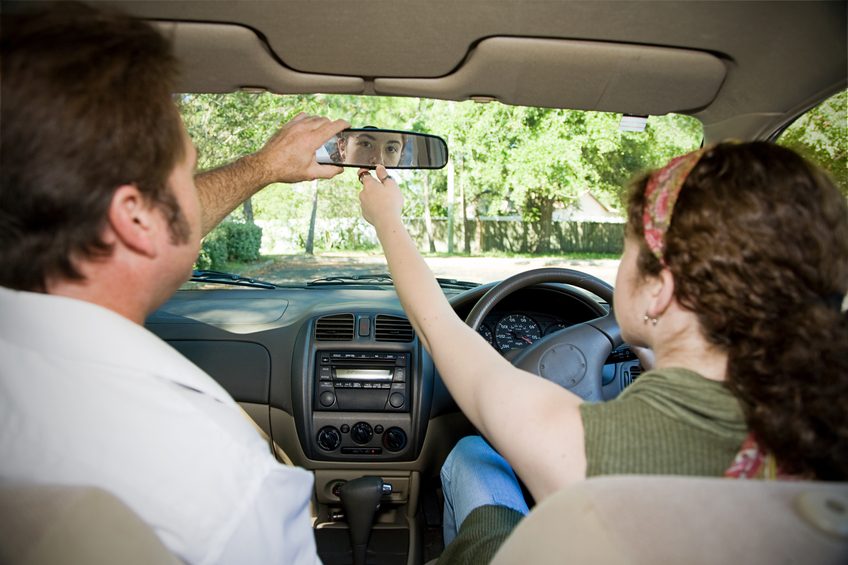
Taking the driving test is an important decision. When you book too early, you risk a stressful test and failure. And if you don’t sign up in time, you’ll miss the momentum, confidence, and money invested in lessons you may not need. Then, how do you prepare for the practical driving test in the UK ?
There are obvious and practical clues that indicate whether you are ready to take your UK driving test. UK driving test examiners expect you to pass. This guide covers those signs, the common mistakes learners make before booking, and what to do once your test date is confirmed.
Why Booking Your Driving Test at the Right Time Matters
When it comes to preparing for the practical driving test in the UK , timing is essential. Book early, before you are consistent in your skills, and you could find yourself becoming nervous, second-guessing simple manoeuvres, or making mistakes that you wouldn’t normally make. This frequency results in a fail, loss of test fees, and loss of self-confidence.
However, waiting too long can be detrimental as well. Lots of skills can become redundant, and habits can develop, and the thrill of learning to drive can become frustrating. The aim is to book at the level at which your driving is consistent, safe, and confident, not perfect, but reliable.
10 Signs You’re Ready to Book Your Practical Driving Test
A common query people have is, ” When should I book my driving test?” Here are 10 signs to help you understand when you’re actually ready for the test:
-
1. You can drive safely without instructor intervention
If your instructor doesn’t need to access the dual controls or verbal intervention often, that’s a great indicator that your driving is truly independent.
-
2. You’re consistently passing mock driving tests
A mock test is one of the most effective ways of analysing driving test readiness. Passing them regularly under test conditions is probably a good sign that you are ready for the real deal.
-
3. You can confidently perform all maneuvers
Parking parallel or in a bay, or stopping in an emergency, should be easy and not stressful; it’s not about being perfect but about being safe and in control.
-
4. You understand road signs and traffic rules
The right-of-way rules, road signs, and markings are well understood, demonstrating a practical grasp of road rules.
-
5. You can drive independently using sat nav or road signs
Navigation by itself is a key skill for independent driving and should be done in a way that the candidate does not constantly need to be reminded by following instructions from a sat nav or road signs.
-
6. You remain calm under pressure
Driving test preparation involves all sorts of things like traffic, road work and even unforeseen hazards. When things don’t go the way you want, staying calm can be an excellent sign of test readiness, while getting flustered and panicked isn’t.
-
7. You make safe decisions at junctions and roundabouts
Many learners get junctions or roundabouts wrong. Confidence in judging gaps, checking mirrors and positioning the car properly are definitely important.
-
8. Your instructor believes you’re test-ready
Your teacher has hundreds of students who make it through this. If they tell you that you are ready, listen! This experience is one of the most dependable indicators around.
-
9. You’re making very few driving errors
Everyone makes mistakes now and again. Frequency and severity are important. If you make a few small mistakes, but not often, or if they are hazards, but not repeated hazards, you have a good chance of passing the driving test.
-
10. You’re confident driving on different roads and weather conditions
There are different situations in which you need to drive: rain, motorways, dual carriageways, rural roads, and busy town centres. If you feel comfortable in a variety of circumstances, you are well prepared for the practical driving test in the UK.
Common Mistakes to Avoid Before Booking Your Test
A lot of students choose to take the test at a time that seems convenient to them, but in fact is not the right time. Others become obsessed with a single good lesson rather than with ongoing good performance. Other common mistakes include ignoring feedback from the teacher, not taking mock exams, and minimising anxiety. Look at your overall progress, not a strong or weak session.
What to Do Once You’ve Booked Your Practical Driving Test
After you have booked your practical driving test, here are some tips on what to do next.
- After booking your test, continue to practice, do not decrease the practice frequency.
- Take a couple of lessons as close to the test date as possible to stay fresh.
- Familiarise yourself with the test route area (if possible) and sleep well beforehand.
- It is consistency, not cramming, that helps learners to feel confident.
Tips to Increase Your Chances of Passing First Time
To improve your chances of passing the driving test first time, consider the following tips.
- Practice frequently over time, not all at once.
- Practice on the weak points found in Mock Tests.
- Relax, approach the test as another lesson.
Be prepared for the practical driving test in the UK beforehand so that you face no penalties for being late, for being unprepared with the appropriate paperwork, or for trusting in your previous preparation.
Final Thoughts
The only factors to consider are whether you are ready to book your practical driving test and whether you have consistency, confidence, and self-assessment with your instructor’s help. If you have checked off many of the items on the above driving test checklist, you have a solid basis to book with confidence . Apex Driving School provides expert driving instructors committed to helping passengers pass safely and with confidence the first time around, with personalised instruction and structured lessons to help them become test-day ready.
